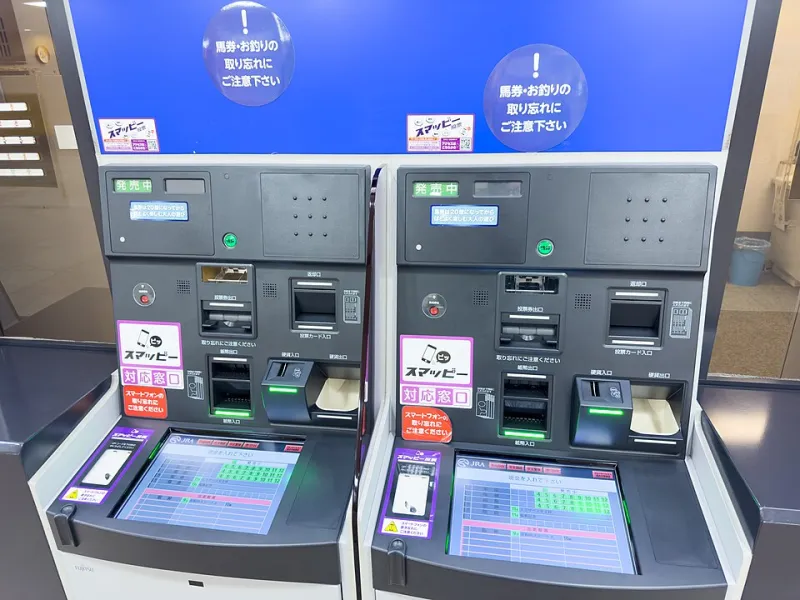
Cash, Cameras, and Clicks: A Retail Betting Terminal Field Test
Photo: sportsbook betting kiosk touchscreen casino sports bar terminal, via m.media-amazon.com
Retail sportsbook terminals used to feel like ATMs with a betting problem. In 2026, they are touchscreen kiosks with slip scanners, cash recyclers, and account sync. That is a real tech upgrade, and it changes the old assumption that the app is always faster.
WW88 Tech spent one weekend this November testing kiosks against mobile apps at three US venues: a casino sportsbook lounge outside Philadelphia, a sports bar with a terminal bank in downtown Denver, and a tribal casino sportsbook outside Tulsa. Same operators where possible, same games, same questions. Here is what the touchscreen gets right, and where it still feels like a shared computer in a hurry.
Where we tested
We kept the sample small but varied. The Philadelphia lounge had a dedicated kiosk bank near the teller windows. The Denver bar had two terminals tucked beside the beer coolers, which is exactly as glamorous as it sounds. The Tulsa casino had a newer terminal with a bill acceptor, a barcode scanner, and a printed ticket printer.
At each stop we compared the kiosk with the operator's mobile app on a personal phone using the same account. We timed sign-up, watched odds refresh on the same NFL and college basketball markets, scanned printed bet slips, tested cashout options, and checked how quickly balances synced between terminal and app.
Sign-up: paper or thumbprint?
Kiosk sign-up took four to seven minutes. The flow is familiar: scan an ID, enter the last four of your SSN, confirm an address, set a PIN, and accept the terms. One terminal required a thumbprint scan that took three tries. The app took three to five minutes, mostly because it wanted a photo of my ID and a selfie with a liveness check.
The kiosk felt more physical, which some bettors will like. You can see the ID scanner working. You can ask the person next to you for help. But the app had a clearer error state. When the kiosk rejected my address format, it flashed a red box with no explanation. The app told me exactly which field was wrong.
Odds refresh and the lag you can feel
This was the biggest surprise. Kiosk odds are not always live. At the Denver bar, the terminal refreshed NFL moneylines every 8 to 15 seconds. The app updated in about two. For pregame bets that is fine. For a line that is moving before kickoff, it is enough to cost you a better number.
At the Tulsa casino, the gap was smaller but still noticeable on player props. The kiosk showed a stale total for a college basketball game while the app had already moved half a point. If you are a casual bettor dropping $20 on a spread, you may never care. If you are line shopping, the terminal is not your friend.
Scanning a slip vs. tapping a slip
The kiosk's barcode scanner is the killer feature. Print a bet slip from the app or get one at the window, scan it at the terminal, and the bet loads without retyping. That is genuinely faster than tapping through four screens on a phone.
But the scanner is not magic. Two of seven printed slips failed on the first scan because the barcode was creased or the printer was low on ink. The terminal offered a manual entry fallback, which is slow and error-prone. The app, by contrast, never misread a bet slip because there was no slip to misread. That is not a fair fight, but it is the reality of a paper-based flow.
Cash out, cash in
Kiosks win on cash. At all three venues, I could insert bills, get a printed ticket, and cash out winnings under the venue's threshold at the terminal or the cage. The app required a bank transfer or a debit card payout, which is fine until you want cash in hand on a Sunday night.
One caveat: cashout limits vary by venue and state. A terminal that pays $600 in cash in Pennsylvania may print a ticket for cage redemption in another jurisdiction. Read the screen before you assume the machine is a ATM. It is not. It is a betting terminal with a cash recycler, and those are different things.
Account sync and the shared-screen problem
Account sync was mostly fine, but not instant. After a $40 deposit at the Philadelphia kiosk, the app showed the new balance about 70 seconds later. After a withdrawal request in the app, the kiosk still showed the old balance for several minutes. That is not a crisis. It is a reminder that the terminal and the app are two windows into the same account, not one seamless system.
The shared-screen issue is bigger. These terminals are public computers. One kiosk kept my session alive for nearly 90 seconds after I tapped 'Done,' long enough for the next person to see my account name and last bet. Another terminal logged out immediately. If you use a kiosk, tap logout, wait for the welcome screen, and do not walk away while the screen still shows your balance.
Security trade-offs nobody puts on the welcome screen
Every kiosk has a camera. Assume your slip, your face, and your PIN entry are on video. That is not automatically bad — cameras deter tampering — but it changes the privacy math. A printed ticket with a barcode is a bearer instrument. Do not post a photo of it. Do not leave it on the bar. Treat it like cash, because that is what it is.
Also watch for shoulder surfing at the PIN pad. The Denver bar terminals were side by side, and the screen angle was wide enough that the person at the next machine could see the top half of my bet slip. The app has its own privacy risks, but at least your phone screen is not a billboard for the next guy in line.
The verdict
The kiosk is not obsolete. It is better than the app when you want cash, a printed ticket, or a break from your phone battery. It is worse when you want live odds, detailed account controls, or a clean logout. The smart play is to use both: check the app for the number, use the kiosk for the cash, and never assume the terminal is showing you the same line the app sees.
Retail betting tech is finally getting interesting again. Just remember that a touchscreen in a sports bar is still a shared computer with your money on it.