Milliseconds on the Board: A Live-Betting Latency Test for US Sportsbook Apps in 2026
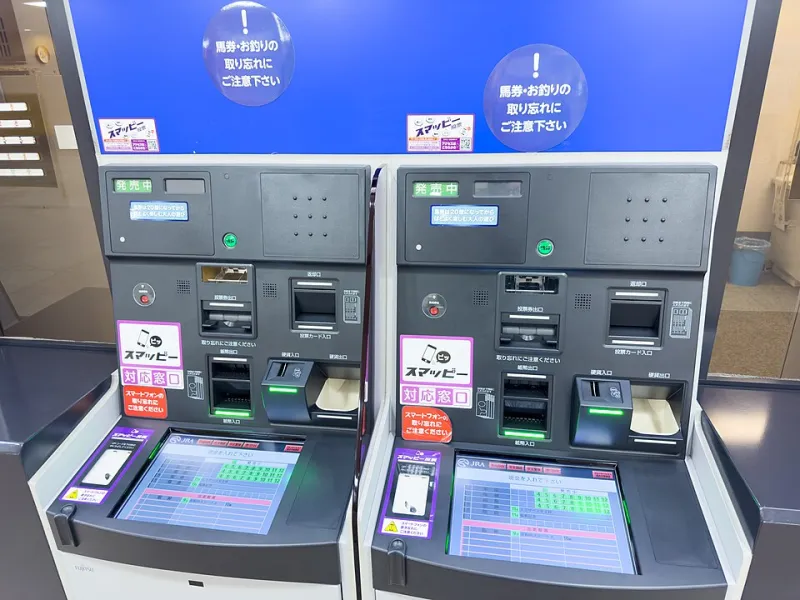
Photo: Dick Thomas Johnson from Tokyo, Japan, CC BY 2.0, via Wikimedia Commons
Live betting is sold as immediacy. You see a third-down stop, a fast break, or a pitching change, and you tap a price that looks stale. But the app is not a clean window into the game. It is a stack of data feeds, pricing engines, caching layers, and rendering rules. In 2026, the gap between what you see and what the sportsbook has already priced is the quiet house edge.
For this WW88 Tech field test, I spent several weekends with a stopwatch, a screen recorder, and a very patient group chat. I compared how quickly several major US sportsbook apps refreshed in-play odds, how far their live streams trailed the real broadcast, and how fast cash-out quotes and confirmations came back. This was not a lab-grade study. It was a practical, living-room test built around NFL Sundays, NBA nights, and a few MLS matches. Still, the patterns were clear enough to matter.
How I measured the gap
I ran each app on the same phone and the same home Wi-Fi, then repeated a smaller set of tests on cellular. For odds refresh, I watched a specific market—moneyline, spread, or total—and recorded the time between a visible game event and the moment the price moved. For stream delay, I put a legal over-the-air broadcast next to the app stream and counted the lag. For cash-out, I timed the tap, the quote, and the confirmation screen. I did not place large wagers, and I avoided comparing promotional boosts or limited markets. The goal was not to crown a winner. It was to see where everyday live-betting tech gets sluggish.
Odds refresh: the board breathes in bursts
The first surprise was how often odds did not move smoothly. They jumped. A market might sit still for two seconds, then reprice three times in half a second. In my tests, visible in-play odds refreshes often landed somewhere between about one and four seconds after a meaningful event, but the spread was wide. Some apps updated faster on major markets and slower on player props. Others were quick on the headline price and slower on alternate lines.
That matters because live betting is not one clock. It is many clocks. The sportsbook may have a new number internally while your screen still shows the old one. If the app only redraws the market every few seconds, you can tap a price that already exists only in your imagination. The bet may be rejected, repriced, or accepted at a different number. None of that is necessarily shady. It is just latency meeting a touchscreen.
Stream delay: the picture is not the play
Live video is the most misleading part of the experience. In my tests, app streams trailed the over-the-air broadcast by a noticeable margin—often several seconds, and sometimes much more depending on the device, network, and stream quality. That means the “live” picture on your phone may be showing a play that already happened. The odds on the same screen may be ahead of the video or behind it. You are not watching the game in real time. You are watching a delayed version of it wrapped in a betting interface.
This is where casual users get burned. A receiver looks open, a point guard turns the corner, and the app still shows a generous number. But the pricing feed may have already seen the same play through a faster data source. The video is entertainment. The odds feed is the business. When those two clocks drift apart, the screen can feel like an opportunity when it is really a timing trap.
Cash-out response: fast button, slow money
Cash-out is another place where the interface can feel faster than the plumbing. The button appears instantly. The quote may take a beat. The confirmation can take longer. In my tests, cash-out quotes usually came back within a few seconds, but the full experience depended on market volatility and whether the app needed to recheck the price. During fast-moving games, the quote sometimes changed before I could confirm it. That is not a bug in the usual sense. It is a risk-control feature wearing a friendly UI.
The practical lesson is simple: treat cash-out as a request, not a command. The number you see is a snapshot. If the game is moving, the snapshot has a short shelf life. Apps that explain this clearly tend to feel more trustworthy, even when they are slower. Apps that hide the repricing behind a spinner tend to feel slick right up until the moment your payout changes.
UI tricks that feel like speed
Some apps are genuinely quick. Others are just good at looking quick. Animation can mask a slow refresh. A pulsing odds badge can create the impression of live data even when the underlying market is on a slower cycle. Collapsed menus and sticky bet slips can reduce taps, which feels like speed, but they do not necessarily reduce the time between the sportsbook’s price and your confirmation.
A few warning signs showed up repeatedly in my notes: odds that freeze during obvious game events, live streams that run far behind a legal broadcast, cash-out quotes that vanish without explanation, and bet slips that auto-accept a changed price without a clear prompt. None of these prove an app is unfair. They do suggest that the timing layer deserves more attention than the marketing layer.
A pre-stake checklist for live bettors
Before you stake real money on an in-play market, run a quick mental check. Compare the app stream to a legal broadcast if you can. Watch one market through a single possession or at-bat and see how it refreshes. Tap cash-out on a small stake—or just observe the quote flow—and note whether the number holds or jumps. Check whether the app clearly warns you about price changes. Use a stable connection, close background apps, and avoid betting on a phone that is hot, low on battery, or switching networks.
Most of all, stop treating the screen as truth. The screen is a rendering of a fast-moving market. The sportsbook sees its own feed first. You see a version of it after the cache, the network, and the UI have had their turn. In 2026, latency is not a niche technical concern. It is part of the house edge, and the bettor who respects it will make fewer accidental bets.
The bottom line
No app in my informal test was perfectly instantaneous, and that is the point. Live betting is a race between your perception and the platform’s pricing engine. Milliseconds matter, but so does the way an app displays stale data. The best defense is not a secret trick. It is a slower, more observant betting routine: watch the refresh, respect the stream delay, and never assume the number on your phone is the number the sportsbook will honor.